🌍 Free shipping above 150 € worldwide


Why Is Prickly Pear Seed Oil So Expensive? (Real Cost Explained)

The Real Cost Behind This Rare Beauty Oil
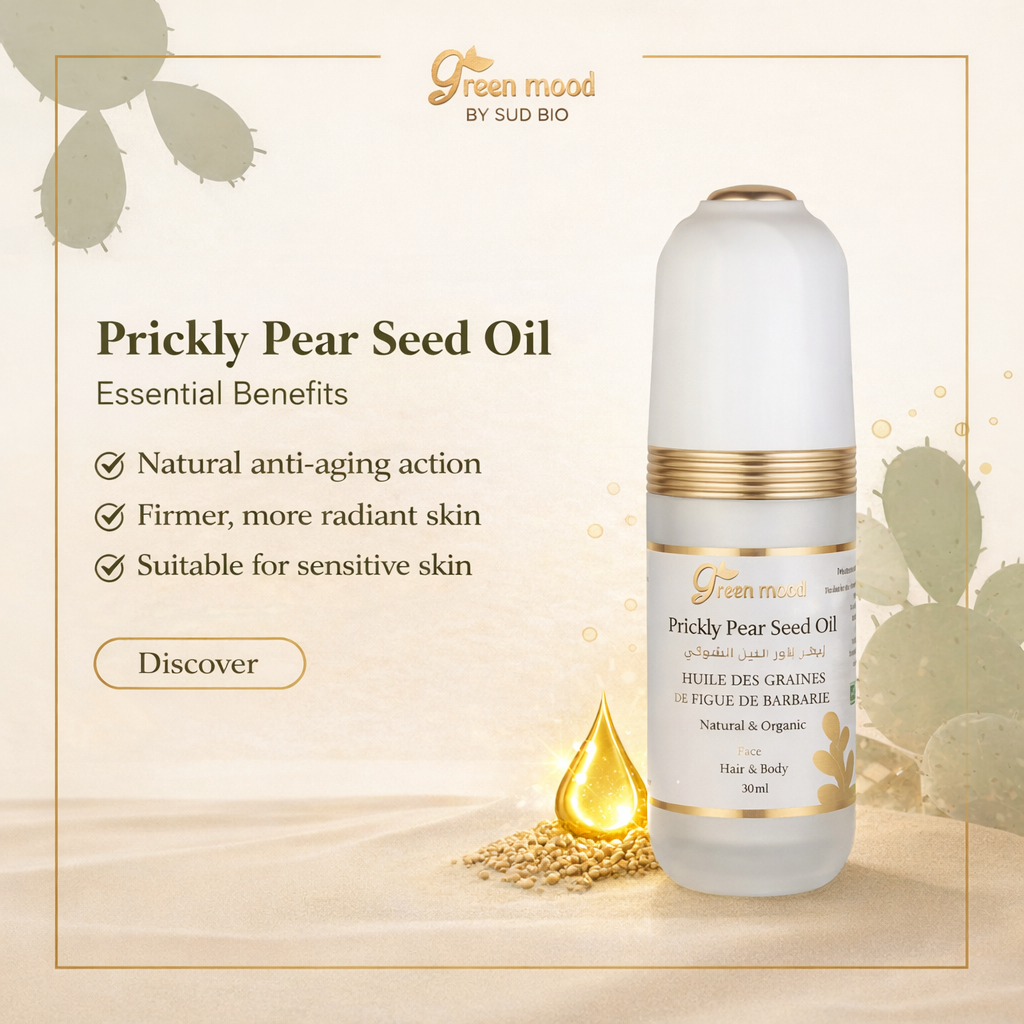
Prickly pear seed oil is often described as one of the most precious natural oils in skincare. But one question comes up again and again: why is prickly pear seed oil so expensive compared to other plant oils?
The answer has nothing to do with marketing hype. Its price is the direct result of extreme raw material scarcity, manual labor, and a slow, demanding extraction process. Understanding these factors helps explain why a genuinely pure Prickly Pear Seed Oil can never be cheap without major compromises.
1. An Extremely Low Oil Yield
The first reason behind the high price lies in the oil yield itself.
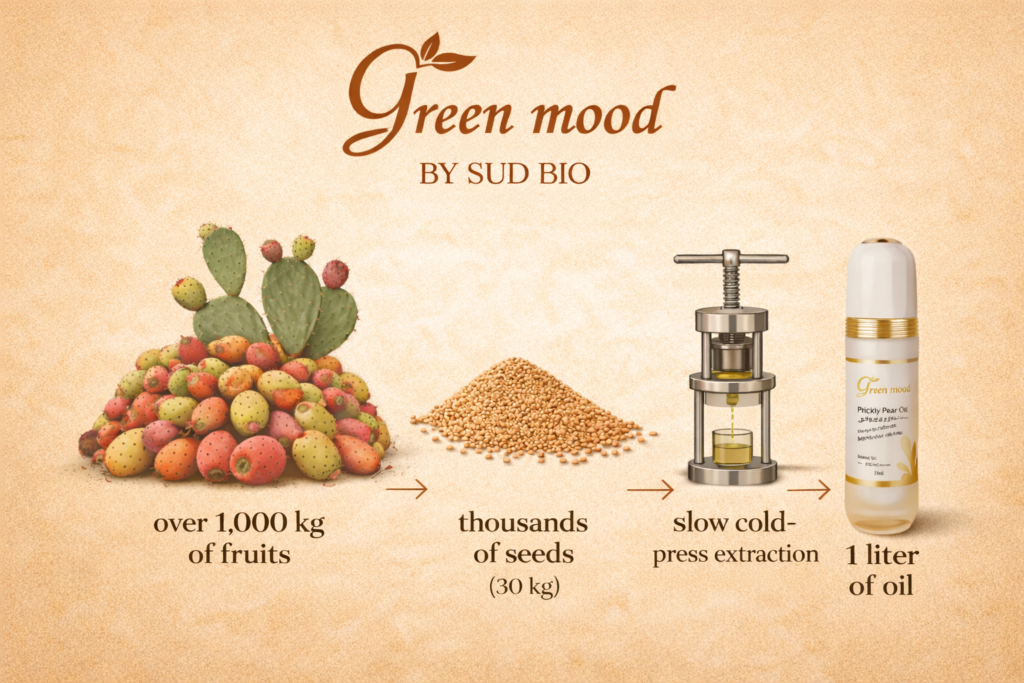
Prickly pear seed oil is extracted from the tiny seeds inside the fruit, not from the pulp. To obtain just one liter of oil, producers need:
- over 1,000 kg of prickly pear fruits
- thousands of individual fruits
- approximately 30 kg of seeds
This yield is dramatically lower than most cosmetic oils. For comparison, olive or argan oil requires far less raw material per liter, which explains their lower production cost.
Low yield alone already places prickly pear seed oil among the rarest plant oils in the world.
This rarity is also reflected in its exceptional skin performance, detailed in our complete guide on the benefits of Prickly Pear Seed Oil.
2. A Harvest That Is Almost Entirely Manual
Prickly pear fruits grow on cactus pads covered in sharp spines. Their fragility and uneven ripening make mechanized harvesting nearly impossible in many regions.
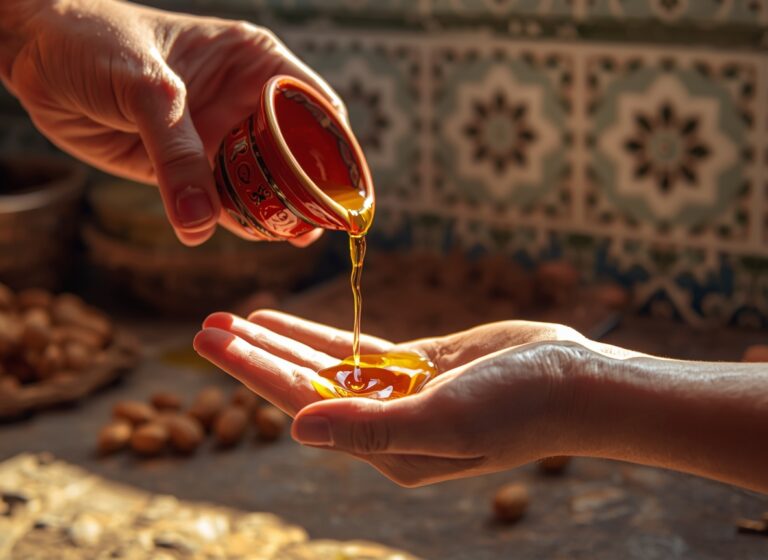
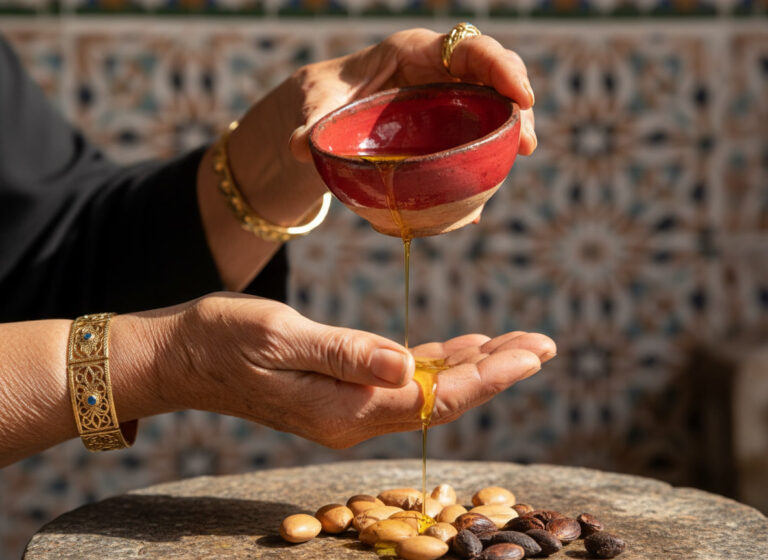
In Morocco, where some of the highest-quality prickly pear seed oil is produced, harvesting typically involves:
- manual picking using long metal tools
- careful handling to avoid damaging the seeds
- local, experienced labor with traditional know-how
This labor-intensive process takes time, skill, and patience. The human effort required directly impacts the final price of the oil.
3. Slow Cold-Press Extraction
Once the seeds are collected, cleaned, and dried, the oil must be extracted.
High-quality prickly pear seed oil is obtained through cold pressing, a slow mechanical process that preserves sensitive nutrients such as vitamin E, sterols, and essential fatty acids.
This method:
- produces very small quantities
- avoids chemical solvents
- requires specialized equipment and long pressing times
Cheaper oils on the market often rely on industrial or solvent-based extraction, which increases volume but significantly reduces nutritional and cosmetic value.
4. No Dilution, No Blends
Authentic prickly pear seed oil is 100% pure.
Because of its high cost, some low-priced products are:
- diluted with cheaper carrier oils
- blended with refined oils
- marketed under vague terms like “cactus oil”
A true prickly pear seed oil contains only one ingredient. Anything else is a compromise that lowers production cost — and effectiveness.
5. Quality Control and Traceability
Another factor influencing price is traceability.
High-quality oils usually come with:
- a clearly identified origin
- small-batch production
- quality control at each stage
- transparency about extraction methods
These standards add cost but ensure consistency, safety, and performance. Oils sold at unusually low prices rarely provide this level of traceability.
6. Is Prickly Pear Seed Oil Worth the Price?
For consumers seeking visible results, the answer depends on quality.
A well-produced prickly pear seed oil is:
- highly concentrated in antioxidants
- fast-absorbing and non-greasy
- effective even in very small amounts
Because only a few drops are needed per application, a quality bottle lasts much longer than it may appear.
How to Spot a Price That Makes Sense:
Here are simple indicators of a price that reflects real quality:
- Composition: 100% prickly pear seed oil, no blends
- Extraction: cold-pressed
- Texture: light, non-greasy, fast absorption
- Scent: subtle, natural, slightly vegetal
- Origin: clearly stated, ideally Moroccan
If a product is significantly cheaper than the market average, it usually means something has been compromised along the way.
Final Thoughts
Prickly Pear Seed Oil is expensive because it is rare, labor-intensive, and difficult to produce correctly. Its price reflects the reality of its production, not a luxury label.
Understanding this helps consumers make informed choices — and avoid products that promise exceptional results at an unrealistically low cost.